
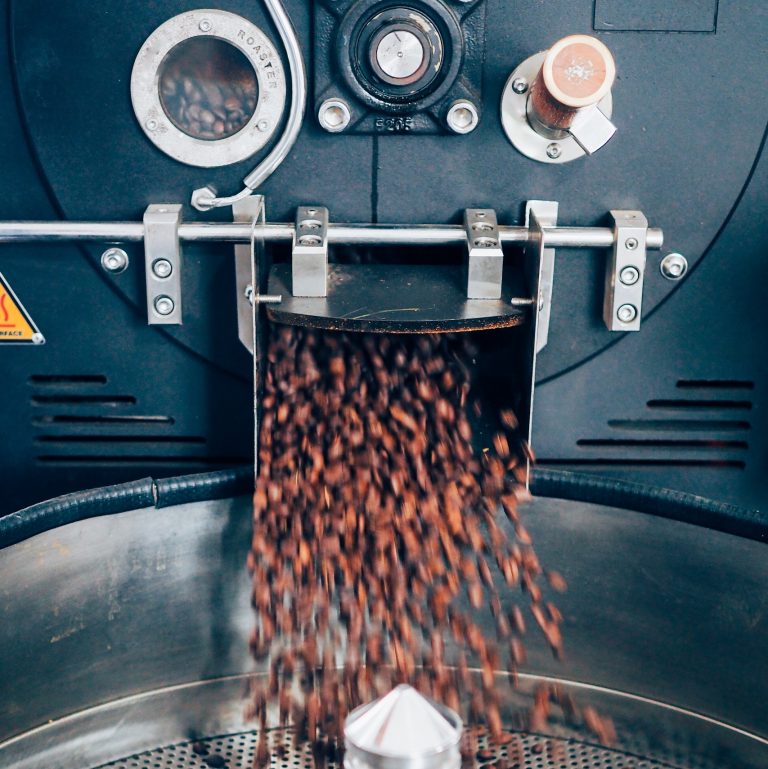
The roast date can have a major effect on a coffee’s final quality and flavor. Do you check it when buying roasted beans? Older coffee may taste very different from fresh coffee. This article explains why roast timing matters, how it affects aroma and flavor, and when to brew coffee after roasting.
1. How freshness affects aroma and flavor
Flavor depends on the bean variety, roast, brewing method and storage. Freshness also strongly affects the final cup. Recently roasted coffee can retain a wider range of aromas and make the bean’s individual character more noticeable.
Why does freshness matter?
- Volatile compounds: Roasting creates aromatic compounds that contribute pleasant, distinctive flavors. They gradually fade during storage, particularly when beans are exposed to air.
- Carbon dioxide: Newly roasted beans release carbon dioxide. The changing amount of gas in the beans can influence brewing and the aromas that reach the cup.
2. Degassing after roasting
Degassing is the release of carbon dioxide from roasted coffee beans. It starts immediately after roasting and can continue over several days. The rate varies with roast level, bean density and storage conditions.
Why is degassing important?
- Extraction: A large amount of remaining gas can interfere with even water contact during brewing, leading to an uneven extraction.
- Flavor: As the coffee rests and gas escapes, its flavor may become more balanced. Brewing very soon after roasting may not show the beans at their best.
3. When should you brew coffee after roasting?
The ideal time depends on the bean, roast level and storage. This article suggests allowing about 5 to 12 days after roasting for degassing before drinking the coffee. Taste the beans at different points to find the best window for your preferred brewing method.
When does coffee lose freshness?
- After a week: Exposure to air, moisture and light can start to weaken aromatic compounds.
- After two weeks: Coffee left open to air or moisture may taste noticeably flatter or stale. Well-sealed beans can retain quality longer.
What is the suggested window?
- Days 5–12 after roasting: The article identifies this as a useful starting window, when much of the early gas has escaped and the coffee’s aroma and flavor may be at their best.
4. Conclusion: pay attention to the roast date
If you want the most from a coffee, check when it was roasted and store it carefully. Fresh beans that have had time to rest can make a more aromatic, balanced cup. The next time you buy coffee, compare the roast dates and taste the beans as they develop.
Tip: The original article recommends trying coffee around 5–12 days after roasting. Your ideal timing may differ with the beans, roast and brewing method.

No comments yet.