
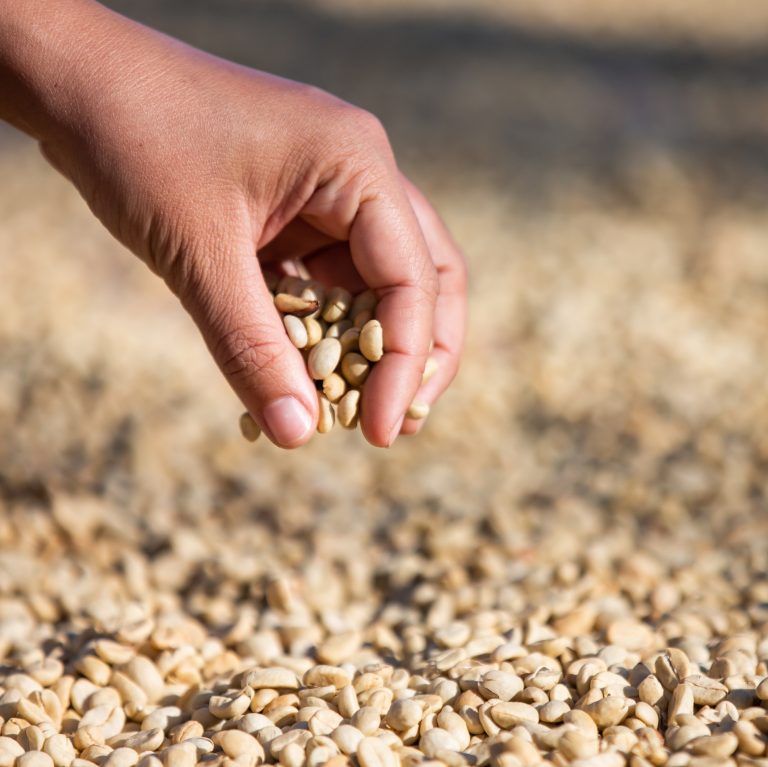
The beans you choose have a major effect on the coffee in your cup. Species, processing, roast level and grind size can all change the result. This guide helps you choose beans that suit both your taste and your brewing method.
1. Arabica or Robusta?
One of the first decisions is whether to buy Arabica, Robusta or a blend of the two. Their typical characteristics differ:
| Characteristic | Arabica | Robusta |
|---|---|---|
| Caffeine | Generally lower | Generally higher |
| Flavor | Sweeter; often fruit or floral notes and brighter acidity | More bitter; fuller body, often cocoa or nut notes |
| Espresso crema | Usually less | Usually more |
| Typical price | Often higher | Often lower |
| Common use | Specialty filter coffee and espresso | Strong espresso blends and instant coffee |
Which should you choose? Choose Arabica if you enjoy nuanced flavors and acidity. Try Robusta or an Arabica–Robusta blend if you prefer more body, crema and intensity in espresso. Individual lots can differ from these general descriptions.
2. How processing affects flavor
Processing describes how the seed is separated from the coffee cherry and dried. It can substantially influence cup character.
| Process | Typical cup profile | Common brewing choices |
|---|---|---|
| Washed | Clearer flavors and more noticeable acidity | V60, Chemex, specialty espresso |
| Natural | Heavier body, fruit notes and sweetness | Espresso, French press, AeroPress |
| Honey | Balance of sweetness and acidity | Espresso, V60, moka pot |
Choose washed coffee if you like a clean, bright cup; natural coffee if you enjoy fruit and body; and honey-processed coffee if you want a middle ground. Farm practices and roast level still affect the final flavor.
3. Choosing a roast level
Roast level shapes aroma, body, acidity and bitterness. Lighter roasts tend to preserve more of an origin’s distinctive character, while darker roasts emphasize flavors created by roasting.
| Roast | Typical profile | Often suits |
|---|---|---|
| Light | Brighter acidity, complex aroma and fruit notes | V60, Chemex and other filter methods |
| Medium | Balanced acidity, sweetness and body | Espresso, moka pot, French press |
| Dark | More roast bitterness and a heavier, sometimes oily body | Espresso, Turkish coffee, French press |
A light-to-medium roast is a useful starting point for manual filter brewing. Many espresso and moka pot drinkers prefer medium-to-dark roasts. Personal taste matters more than a rigid rule.
4. Match the bean and grind to your brewing method
Espresso
- Try an Arabica–Robusta blend with a medium or dark roast for body and crema.
- Natural or honey processing can add sweetness and weight.
- Use a fine grind and adjust it to your machine and extraction time.
V60 and Chemex
- Single-origin Arabica with a light or medium roast can show origin character clearly.
- Washed processing often gives a clean, bright profile.
- Start with a medium grind and adjust for flow rate and taste.
Moka pot
- A medium-roasted Arabica–Robusta blend is a practical starting point.
- Natural or honey lots can create a rounded cup.
- Grind slightly coarser than espresso to help avoid harsh extraction.
French press
- Medium-to-dark roasted Arabica or a suitable blend can work well.
- Natural processing may add body.
- Use a coarse grind to reduce sediment and over-extraction.
Conclusion: find the coffee that suits you
For a bright, fruit-forward cup, begin with a lightly roasted, washed Arabica. For a stronger and more bitter cup, try a darker Robusta or a blend. Espresso and moka pot often suit medium-roasted blends; manual filter brewing often highlights lightly roasted single-origin Arabica. Use these suggestions as a starting point, then compare samples and adjust the grind to your equipment. The best coffee is the one that tastes right to you.

No comments yet.