
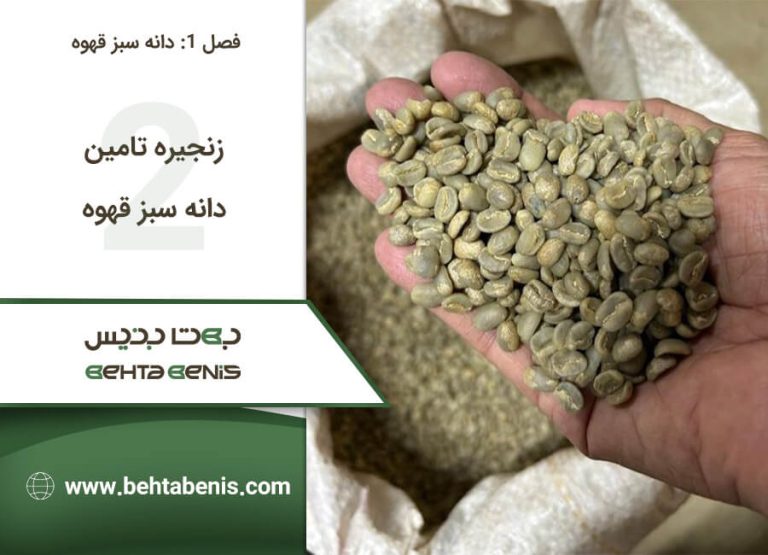
A good cup of coffee begins long before brewing. It starts with a seed on a farm and passes through cultivation, harvesting, processing, drying, storage, transport, roasting and grinding. Each decision along this supply chain affects the aroma and flavor in the cup. This guide follows green coffee beans from farm to cup.
Coffee species and their different flavors

The coffee market is built mainly on two species: Arabica and Robusta. Arabica is generally grown at higher elevations and is known for delicate sweetness and fruit or floral notes. Robusta can grow at lower elevations, usually has more caffeine and a stronger, more bitter taste, and is often used in full-bodied espresso blends. Origin, variety and processing add still more diversity. Behta Benis sources green beans from several producing countries so roasters can select the profile that suits their customers.
Climate and soil for coffee cultivation

Coffee grows in tropical and subtropical regions known as the Coffee Belt. Many farms benefit from relatively stable temperatures of about 15–25°C, sufficient humidity and regular rainfall. Shade can protect coffee trees from harsh direct sun. Rich, slightly acidic and well-drained soil, including volcanic soil, supports healthy growth. Elevation also matters: high-grown coffee often develops more complex acidity and flavor, although the final result depends on many factors.
Planting and propagating coffee trees
Growers usually propagate coffee from seeds or cuttings. Seeds are placed in a suitable growing medium and kept warm and moist until they germinate. Young plants move to a nursery, where they receive care for several months. Once strong enough, the seedlings are transplanted to the farm at intervals that leave room for roots and branches to develop. Careful propagation helps establish healthy, productive trees.
From germination to flowering

The growth of a coffee tree passes through several recognizable stages:
- Germination: the seed absorbs water, swells and sends a shoot through the soil.
- Seedling: the young plant develops its first pair of leaves.
- Vegetative growth: new branches and leaves form as the tree matures.
- Maturity: the tree becomes capable of flowering and bearing fruit.
- Flowering: fragrant white blossoms appear when conditions are right, often after rain.
- Fruit development: the flowers give way to small green cherries that later ripen.
Harvesting ripe coffee cherries
Harvesting has a direct effect on green coffee quality. Ripe cherries turn red or, in some varieties, yellow. Selective hand-picking allows workers to choose mature fruit while leaving unripe cherries on the tree. It takes more time and labor but can produce a more consistent lot. Mechanical harvesting is faster and often less expensive, although it may collect fruit at different stages of ripeness. Sorting after harvest is therefore essential.
Processing: turning cherries into green beans

Processing removes the fruit around the coffee seeds and strongly influences flavor. Three common methods are:
- Natural or dry processing: whole cherries dry in the sun. Contact with the fruit can produce sweeter, fruitier flavors and a fuller body.
- Washed or wet processing: the skin and pulp are removed, and the remaining mucilage is broken down before washing and drying. This method can give a cleaner cup with clearer acidity.
- Honey processing: some mucilage stays on the seed while it dries. The resulting cup can balance fruit sweetness with the clarity of washed coffee.
Drying and storing green coffee
After processing, beans must be dried carefully, commonly to around 10–12% moisture. Excess moisture can encourage mold and damage quality. Producers may spread beans in thin layers on clean raised beds or patios, or use mechanical dryers. Dried coffee is packed and kept in cool, dry, clean storage before transport. Protecting it from moisture and unwanted odors helps preserve the qualities developed on the farm. Behta Benis selects and stores green coffee with these quality considerations in mind.
Roasting creates aroma and flavor
Roasting transforms relatively mild-smelling green coffee into fragrant brown beans. Heat changes the bean’s color, size and chemistry, creating many aromatic compounds. A skilled roaster controls time and temperature to bring out a chosen profile. A lighter roast may highlight fruit and floral notes, while a darker roast often emphasizes chocolate, nuts and a heavier body. Roast choice should suit both the bean and its intended brewing method.
Grinding before brewing
Grinding increases the surface area exposed to water, so grind size controls the speed of extraction. Espresso generally needs a fine grind because water passes through quickly. A French press uses a coarser grind to avoid excessive extraction and sediment. A suitable grinder and a consistent setting help produce a balanced cup.
Brewing: the final step
Brewing brings the previous work into the cup. Espresso, French press and filter methods each produce a different balance of strength, acidity, body and aroma. Water temperature, the coffee-to-water ratio, grind size and contact time all influence the result. Small adjustments can reveal different sides of the same bean.
Conclusion
The journey from farm to cup depends on the care of growers, processors, traders and roasters. Species, growing conditions, selective harvest, processing, drying and storage set the quality potential of a green bean; roasting and brewing bring that potential to life. Understanding the supply chain makes it easier to choose suitable beans and appreciate every cup. For wholesale green coffee and current availability, contact Behta Benis.

No comments yet.