
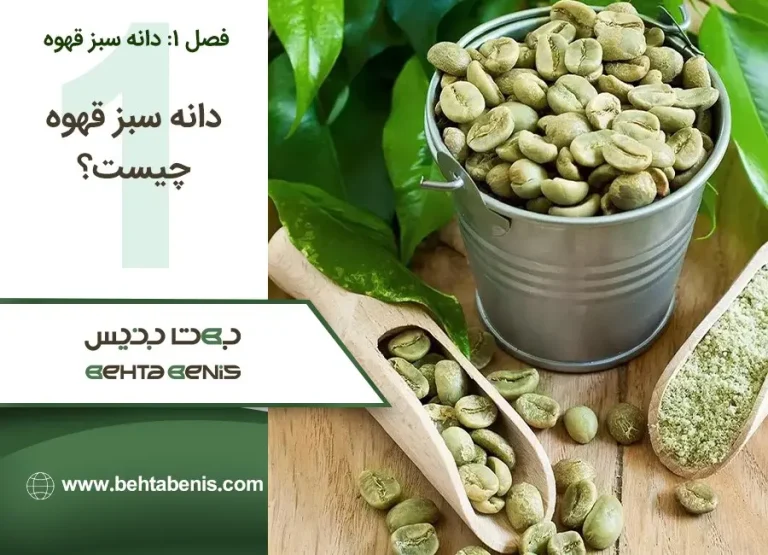
Most people know coffee as a dark, fragrant drink made from roasted beans. Before roasting, however, those beans are green coffee: the raw seeds at the heart of every cup. Their seemingly plain appearance hides the ingredients that roasting turns into familiar flavors and aromas. This guide explains what green coffee is, its composition, physical qualities, uses and role in the coffee supply chain.
What are green coffee beans, and where do the best ones come from?
A green coffee bean is a seed from a coffee cherry that has been processed and dried but not roasted. Its color can range from pale green to gray-green. It has little of the characteristic aroma of roasted coffee because those aromas develop when heat triggers reactions such as Maillard browning and caramelization. Properly dried beans are relatively easy to store and ship. No single country produces the “best” green coffee in every case: species, growing elevation, harvest, processing and handling all influence quality. Ethiopia, Colombia and Brazil, among others, produce distinctive coffees. Behta Benis supplies green beans from several origins for wholesale buyers and roasters.
The chemical composition of green coffee

Green coffee contains the precursors of the color, aroma and flavor that appear during roasting. Its main constituents include the following:
Carbohydrates
Carbohydrates make up a large share of a bean’s mass. Cellulose contributes to its structure, while sugars such as sucrose take part in browning reactions during roasting and help create sweetness and caramel-like aromas.
Proteins
Proteins and their amino acids react with sugars under heat. These Maillard reactions create aromatic compounds and brown melanoidins that contribute to the color and character of roasted coffee.
Organic acids
Green coffee contains chlorogenic acids and other organic acids, including citric and malic acids. They influence bitterness, astringency and acidity. Their composition changes during roasting and helps shape the balance of the finished cup.
Lipids
Oils contribute to coffee’s texture and body and can help retain aroma compounds. Arabica generally has a relatively high lipid content, one factor behind its smooth mouthfeel and complex aroma.
Alkaloids
Caffeine is the best-known coffee alkaloid and accounts for much of coffee’s stimulating effect and some bitterness. Robusta generally has more caffeine than Arabica. Trigonelline is another alkaloid that changes during roasting and contributes to aroma formation.
Aroma precursors
Many compounds in a green bean have little aroma on their own. Roasting transforms them into a broad range of volatile compounds, which is why freshly roasted coffee smells so different from the raw seed.
Visual and physical characteristics of green beans


Appearance offers clues to quality. Arabica beans are often more elongated with a curved central crease; Robusta beans tend to be rounder with a straighter crease. Uniform size and shape help beans roast evenly. A consistent green color can indicate sound processing and drying, while discoloration may indicate a defect or poor storage. Density and moisture also affect how a bean reacts to heat. Visual inspection should be combined with moisture measurement, defect grading and sample roasting.
Important uses and handling of green coffee
Sourcing and purchasing
Professional roasters evaluate a lot’s origin, processing, physical quality and cup profile before buying. Defect counts and recognized grading methods can help compare lots. Behta Benis offers green coffee for wholesale buyers seeking suitable beans for different roast goals.
Storage
Green beans should be kept in a cool, dry and clean place, away from unwanted odors. Controlling temperature and humidity helps prevent mold and protects flavor during storage and transport.
Analysis before roasting
Before roasting, a roaster may examine moisture, density, bean size and sample-roast results. These measurements help in choosing a heat profile that suits the bean rather than using the same roast for every lot.
Roasting

Roasting is the main use of green coffee. Heat causes physical and chemical changes that develop color, aroma and flavor. Careful control allows a roaster to reveal the bean’s potential while avoiding underdevelopment or excessive bitterness.
Other applications
Green coffee may also be used in extracts and specialized processes such as decaffeination. Its value extends beyond a single brewing method, although claims about health effects require careful evidence.
Green coffee in the value chain

Green coffee connects farms with roasters and consumers around the world. Its commercial value depends on origin, supply conditions, physical quality and cup score, not only a reference market price. Better harvesting and processing can improve a producer’s opportunities. The quality of the green bean also sets a practical ceiling for the final cup: skilled roasting cannot fully repair poor raw material. Responsible sourcing and fairer trading relationships can help distribute value more equitably across this chain.
Where can you buy green coffee?
Choose a supplier that can explain origin, processing, grade, availability and storage conditions. Compare samples with your intended roast and brewing style. Behta Benis supplies green coffee from multiple origins to roasters and wholesale buyers. For specifications, current lots and a quotation, contact our team.
Frequently asked questions
How long can green coffee stay fresh?
There is no single shelf life for every lot. Quality depends on initial drying, packaging and storage. Keep beans cool, dry and away from odors, and assess older lots by sample roasting and tasting.
Can green coffee be brewed directly?
It can be steeped, but it does not produce the same aroma and flavor as roasted coffee. The familiar coffee profile develops during roasting.
How do green and roasted beans differ?
Green beans are unroasted, denser and relatively mild-smelling. Roasted beans are brown and more brittle, with the aromatic compounds and flavors produced by heat.

No comments yet.